
Overview
The ankh, often referred to as the “key of life,” is one of the most recognizable symbols to emerge from ancient Egyptian culture. A popular symbol from history, even now, the ankh has a great depth of meaning to explore. In this blog post, we will explore the oldest roots of the ankh, its significance, and how it works.
The Origins of the Ankh
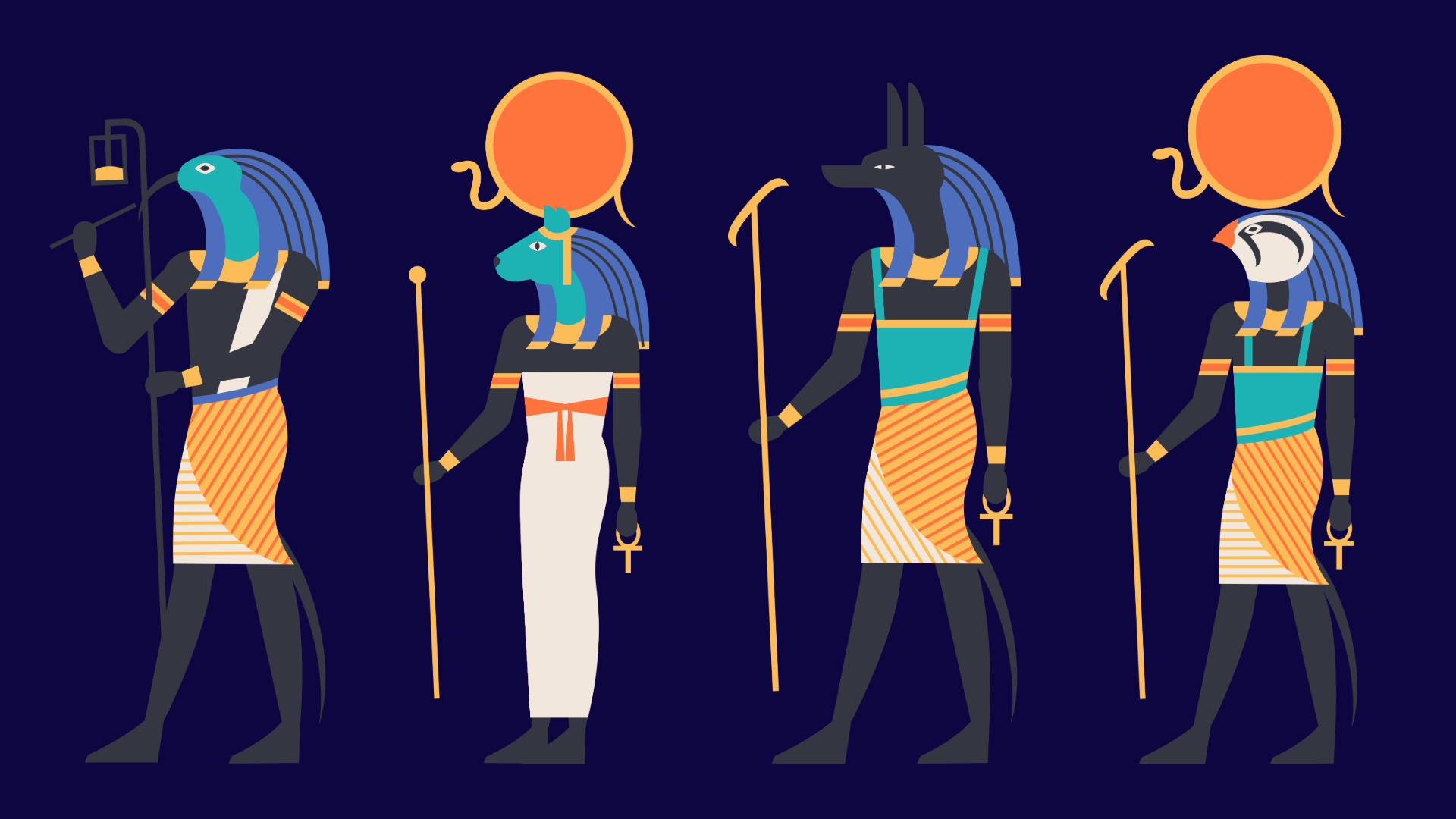
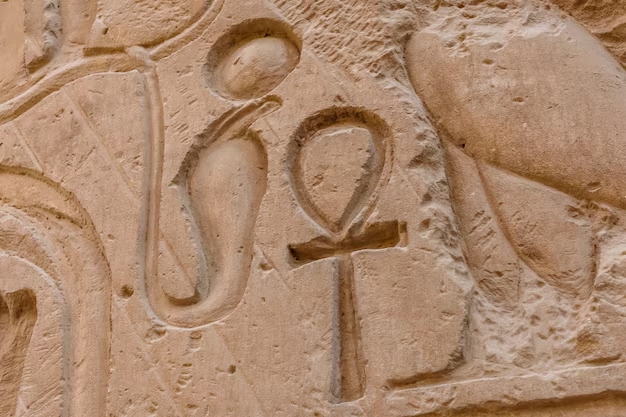
The ankh’s origins can be traced back to Ancient Egypt, where it first appeared in hieroglyphic inscriptions around 3000 BCE. This period marked the early stages of the Egyptian civilization, where the culture was heavily influenced by the belief in mythological gods and goddesses. As a result, the ankh quickly became a prominent symbol through its association with the gods.
Although scholars are still uncertain of the exact beginning of the ankh, it is believed to be connected to the cross symbol. Both symbols represent eternal life. However, the literal translation for the ankh in ancient Egyptian hieroglyphics to the English language is, “life” or “to live”.
Ancient Egyptian Culture
The civilization that flourished along the Nile River for over three millennia was marked by a deep reverence for life and death. As such, the Egyptians believed in an afterlife, where the soul would continue its journey beyond the physical realm. This belief system was intricately tied to their understanding of the concept of life, death, and rebirth, which the ankh embodies.
How the Ankh Was Used in Ancient Egypt
In ancient Egyptian culture, they believed that the ankh could provide protection and ensure a successful transition to the afterlife. Therefore, this can be seen reflected mainly within two areas:
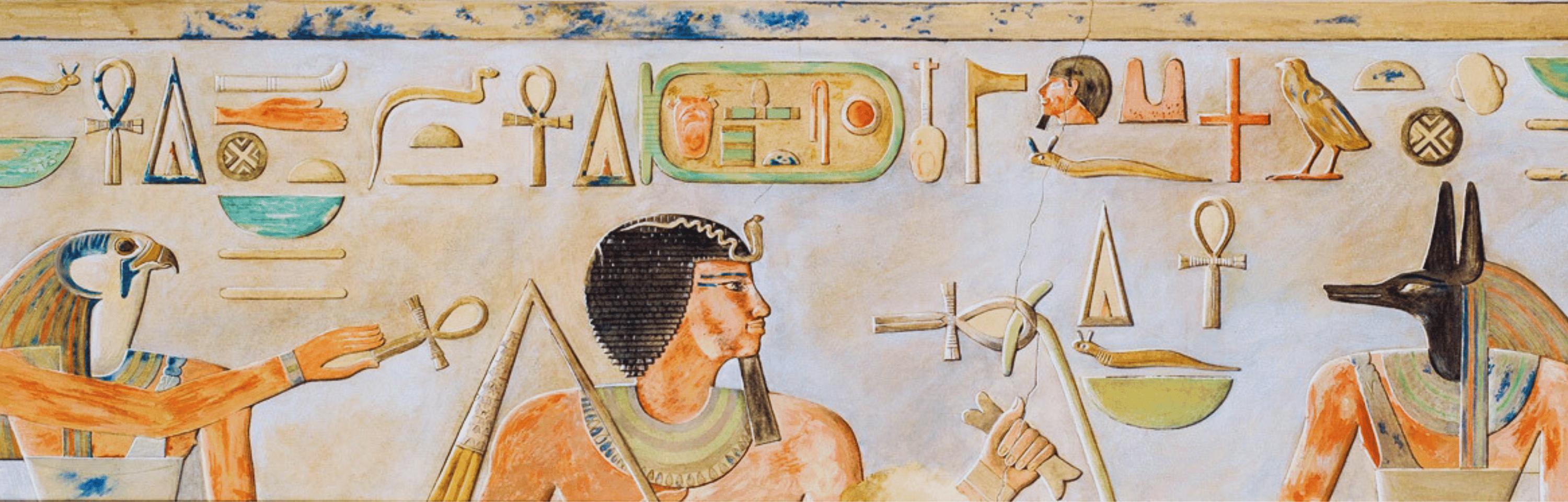
- Funerary Art: It frequently appeared in tomb paintings and inscriptions. Its inclusion in these artworks signified the deceased’s hope for rebirth and eternal life. The symbol was often depicted in the hands of gods, bestowing the gift of life upon the deceased.
- Religious Rituals: Priests and priestesses used the ankh during rituals, frequently holding it while performing ceremonies to invoke blessings or protection. It was a vital symbol in the worship of gods and goddesses, serving as a conduit between the divine and the mortal realm.
The Goddess Isis
The ankh was generally depicted in the hands of deities, symbolizing their power to grant life and sustain existence. One of the most notable examples of its usage can be found with the goddess Isis, who was revered as the protector of the pharaohs and the goddess of motherhood and fertility. The ankh was frequently shown in her hand, representing her ability to bestow life and nurture.
Yet, Isis had also been known to restore the life of her husband and brother, Osiris, after he was murdered by their jealous brother. Although this restoration was short-lived, it was long enough for them to create their heir, Horus, who was the sun god. Afterward, Osiris began ruling over the afterlife and the underworld.
How Symbols Work
Every individual part of the ankh serves a specific purpose through symbolism. There’s a reason why a symbol is designed in a certain shape that it is, with precise elements contained within it. Each piece represents something significant related to that symbol. With that being said, let’s break down the ankh piece by piece.
The Symbolism of the Ankh
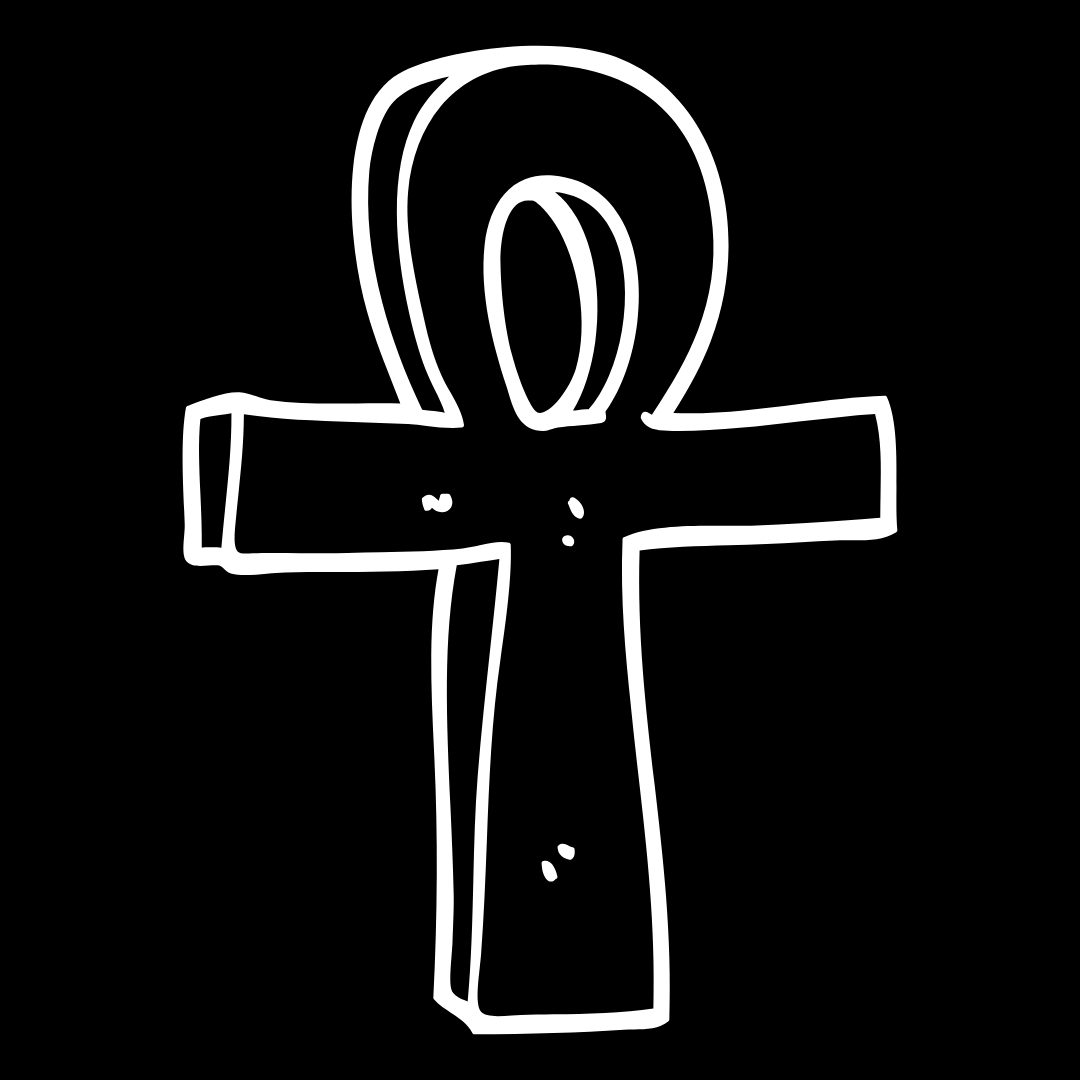
The loop at the top of the ankh represents the sun rising over the horizon, as well as the connection to the heavens or the life beyond the living. The vertical and horizontal lines symbolize the union of opposites—male and female, earth and sky, life and death. Lastly, the base that the arms and loop sit on top of represents the material world, earth, and the physical body.
Ankh Interpretation
When it comes to the interpretation of the ankh, there are many factors to consider. The first is that it looks like a key. Considering that the loop on the top represents the heavens, it could be said that the ankh is symbolic of the key to the heavens.
It is also worth noting that ancient Egyptians believed that once a person was dead, their spirit left their body through the head. This is an interesting bit of information considering the ankh looks somewhat similar to a human body. However, there is an opening through the portion that resembles the head, which may suggest the exit of the spirit after death and into the next life.
References
- Budge, E. A. Wallis. The Egyptian Book of the Dead. Dover Publications, 1967.
- Pinch, Geraldine. Egyptian Myth: A Guide to the Gods, Goddesses, and Traditions of Ancient Egypt. Oxford University Press, 2004.
- Wilkinson, Toby A. H. The Rise and Fall of Ancient Egypt: The History of a Civilization from the Earliest Times to the Present Day. Penguin Books, 2010.
- Hart, George. A Dictionary of Egyptian Gods and Goddesses. Routledge, 2005.
- Allen, James P. Middle Egyptian: An Introduction to the Language and Culture of Hieroglyphs. Cambridge University Press, 2010.
- O’Connor, David, and Andrew K. D. O. A. The Oxford History of Ancient Egypt. Oxford University Press, 2003.


Leave a Reply
You must be logged in to post a comment.