

Symbolism
At its core, symbolism is the use of symbols to represent an idea, convey a message, or express valuable wisdom and information that is difficult to interpret. Symbols can take the form of images, objects, gestures, numbers, colors, or even words that carry a deeper meaning beyond their literal interpretation. Symbols are what we use when language isn’t enough to convey a message or when we want to simplify a message.
They serve as a bridge between the visible and the invisible, allowing us to communicate complex concepts.
Symbols are often used in literature, art, religion, science, business, and everyday life. We see them as we drive down the road, as we scroll social media, and within almost all that we do to some degree.
Modern Symbols
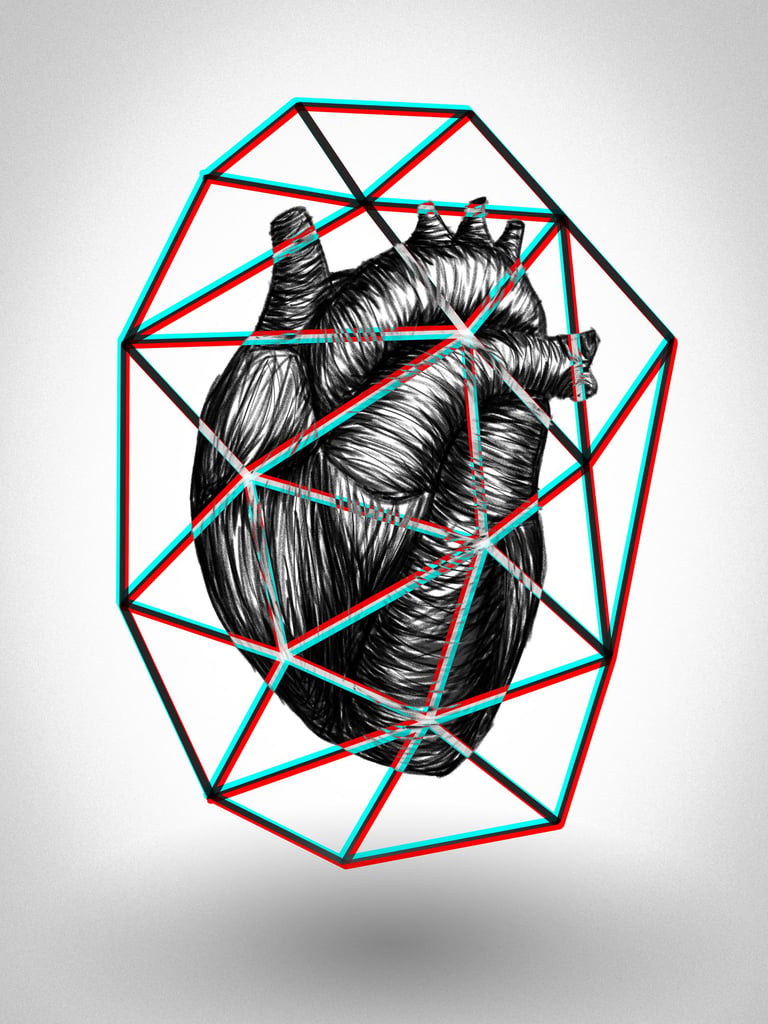
Branding is generally a picture of something that you may recognize as a logo for a business, organization, etc. This could range anywhere from McDonald’s to Tesla. More importantly, symbols are frequently used for movements and can transform society, such as the case with the peace sign. In today’s world, we frequently see symbols regarding things which are dangerous or important.
Symbols Through Culture and Time
The use of symbolism is not a recent phenomenon. It has been an integral part of human culture for thousands of years. Ancient civilizations, such as the Egyptians, Greeks, and Mayans, used symbols extensively in their art, architecture, and religious practices. These symbols served as a way to communicate complex ideas, convey cultural beliefs, and establish a sense of identity among groups.
Symbols can be and have been passed down from generation to generation, through languages and cultures. For example, think about the symbols for male and female restrooms or the universally understood symbol for peace. These symbols allow us to communicate across language barriers and cultural differences.
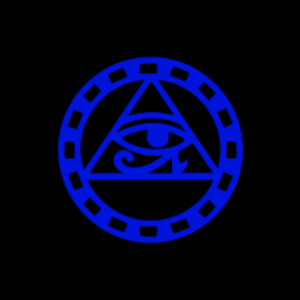
An abstract symbol is a picture or piece of creative art, a geometrical shape, or a certain set of images used together to form a larger idea; which has a deeper meaning. An example of this is an Ankh, often found in Egyptian mythology. An ankh is a cross with an oval on the top, representing the soul’s migration from the physical body after death into the afterlife.
Numbers, Colors, and Sound
Symbols can also extend beyond images alone and include numbers, colors, and even sounds. Music is read by the use of symbols that indicate a sharp note or a minor note. Meanwhile, other symbols, like the clef, indicate specific desired pitches.
Around the world, certain numbers are either revered or thought of as something to fear. In Chinese culture, the number eight is considered lucky, symbolizing wealth and prosperity. For many major cities in the United States, most tall buildings do not have a level thirteen due to the belief that it is unlucky. The number seven, however, is lucky in the USA and a triple seven often indicates winning loads of money.
Symbolism and Psychology
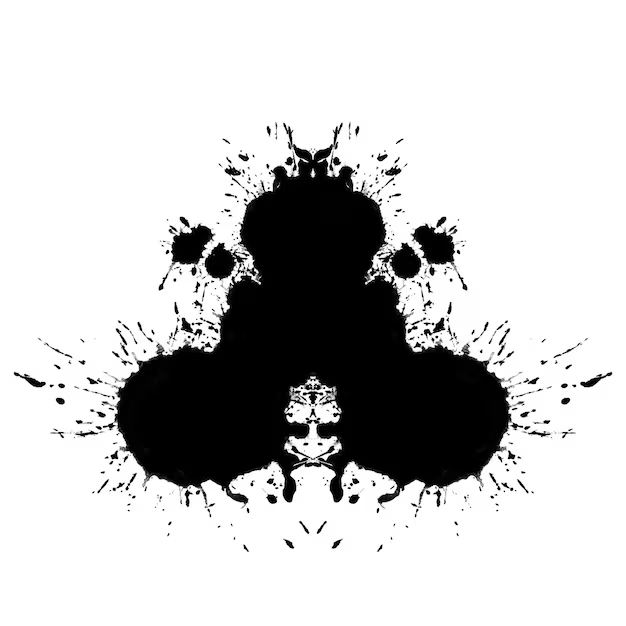
There is a more psychological way to use symbols and this is based on personal perception. For example, Psychologists sometimes use ink blots that have multiple, subjective interpretations. However, what the patient sees reveals what’s often hidden from them consciously, deeply embedded within their subconscious.
When you look at a picture and interpret it based on a personal perception, it can tell us more about our unrecognized state of mind. More specifically, it may point to suppressed thoughts and feelings or repressed memories. Even if we’re not aware of it, they can still motivate our actions and reactions.
For example, if someone sees a snake rather than a baseball bat, it could mean that the individual has trusts issues or paranoia. If they were to see a baseball bat, it may indicate childhood memories, freedom, or healthy competition.
Archetypes
Perhaps the most interesting type of symbol is something called an archetype. An Archetypal image is a symbol that is deeply embedded in the collective consciousness of humanity. This means that we understand it collectively and without having to learn it.
Some good examples of archetypes are images involving death, a mother, or lovers. Naturally, human beings are capable of recognizing certain ideas that have been recurring themes throughout humanity’s evolution. Therefore, it’s instinctive to naturally be aware of our shared archetype’s interpretations without ever consciously realizing it.
References:
- “A Handbook of Symbols in Christian Art” by Gertrude Grace Sill — This book explores the symbolism found in Christian art, explaining the meanings behind common symbols used in religious imagery.
- “The Penguin Dictionary of Symbols” by Jean Chevalier and Alain Gheerbrant — This reference book delves into the symbolism found in myths, dreams, art, and cultural practices from around the world, providing detailed explanations of various symbols.
- “Symbolism” by Michael Gibson — This book offers an overview of symbolism in art, literature, and culture, discussing how symbols are used to convey meaning and evoke emotions.
- “The Book of Symbols: Reflections on Archetypal Images” edited by Ami Ronnberg — This reference work explores the power of symbols and archetypes in human consciousness, providing insights into the symbolic language of the psyche.
- “Symbolism: A Comprehensive Dictionary” by Steven Olderr — This dictionary defines and explains a wide range of symbols found in literature, art, religion, and everyday life, helping readers understand the symbolic significance of various elements.
- “Symbols and Meanings in School Mathematics” by David Pimm — This reference focuses on the symbolism used in mathematics education, explaining how symbols are used to represent mathematical concepts and relationships.
Leave a Reply
You must be logged in to post a comment.