
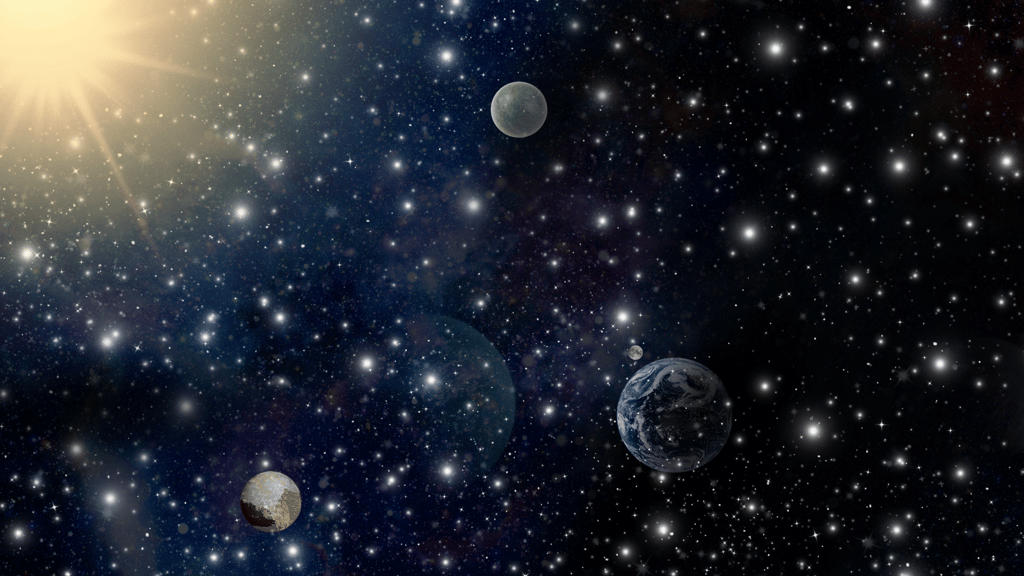
Our Solar System in Science
Whenever we look at the night sky, we can become dizzy at the amount of shimmering stars. Even though you may think that what you’re seeing are stars from galaxies, far, far away, the majority are here, in our home galaxy, the Milky Way.
However, we live in one of the hundreds of billions of solar systems that exist in our galaxy alone!
To qualify as a solar system, there must exist a star and at least one planet that orbits that star. Our solar system contains a star (we know it as the sun), planets, moons that orbit many of our planets, dwarf planets, and asteroids. While moons orbit their planets, the planets, dwarf planets, and asteroids orbit our sun.
Stars
Although there are indeed many stars in the night sky, there is only one in our solar system. Our sun has an essential role to play. Being the gravitational centerpiece to our solar system, it holds all the planets and other objects in orbit. Not only that, but our sun makes up an astounding 99.86% of our solar system’s mass!
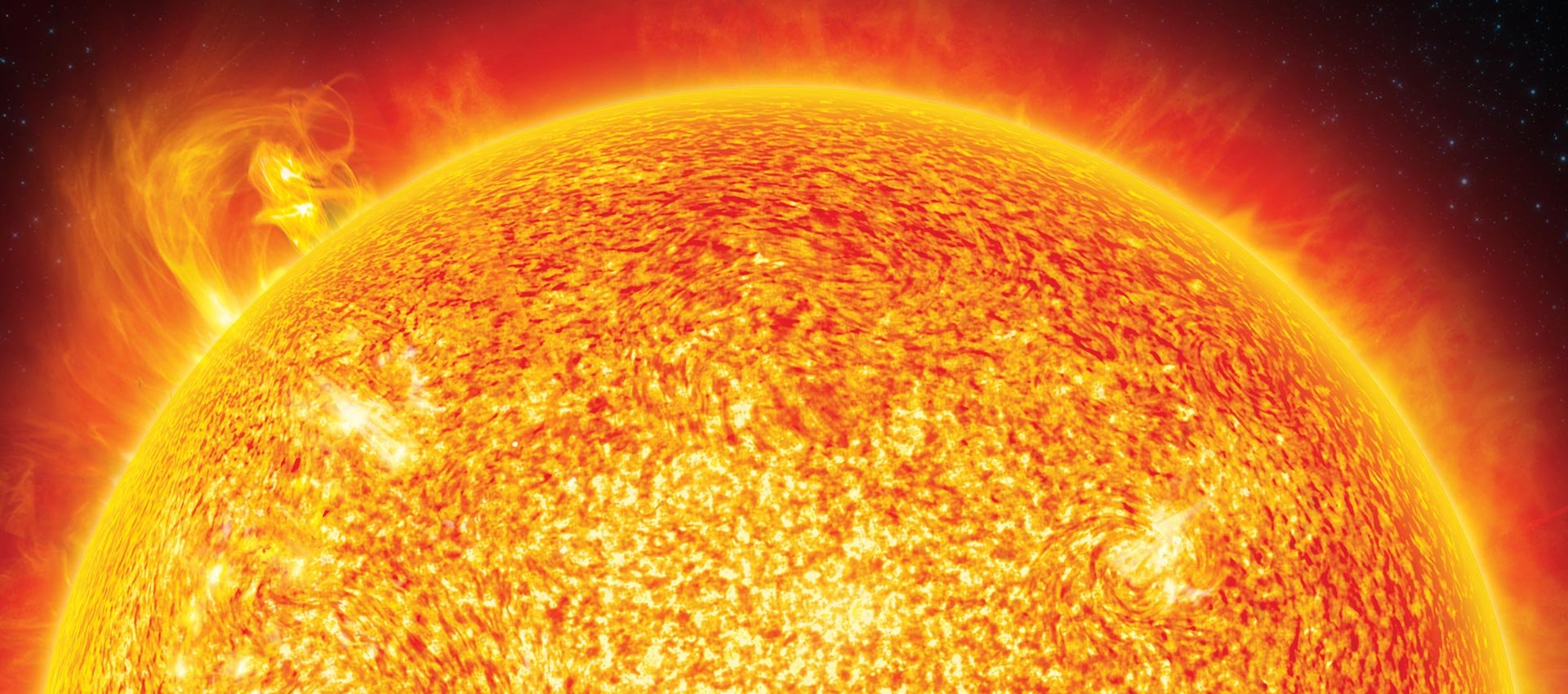
Sun: Produces necessary heat and light that sustains life on planet Earth. All planets orbit it. By far the largest object in our solar system.
Moons
To date, scientists have confirmed 205 moons within our solar system. Jupiter and Saturn have the most moons of all the planets, with Jupiter having 79 and Saturn having 83. While Uranus has 27 moons and Neptune has 14, you may be surprised to hear that Mars has 2 moons of its own!
Despite there being a couple of hundred moons in our solar system, there is one moon that is widely recognized. That moon, Luna, is our own; and she’s quite important! Not only does Luna affect our ocean’s tides, but she also helps to stabilize earth’s axial tilt, which influences our climate(s).
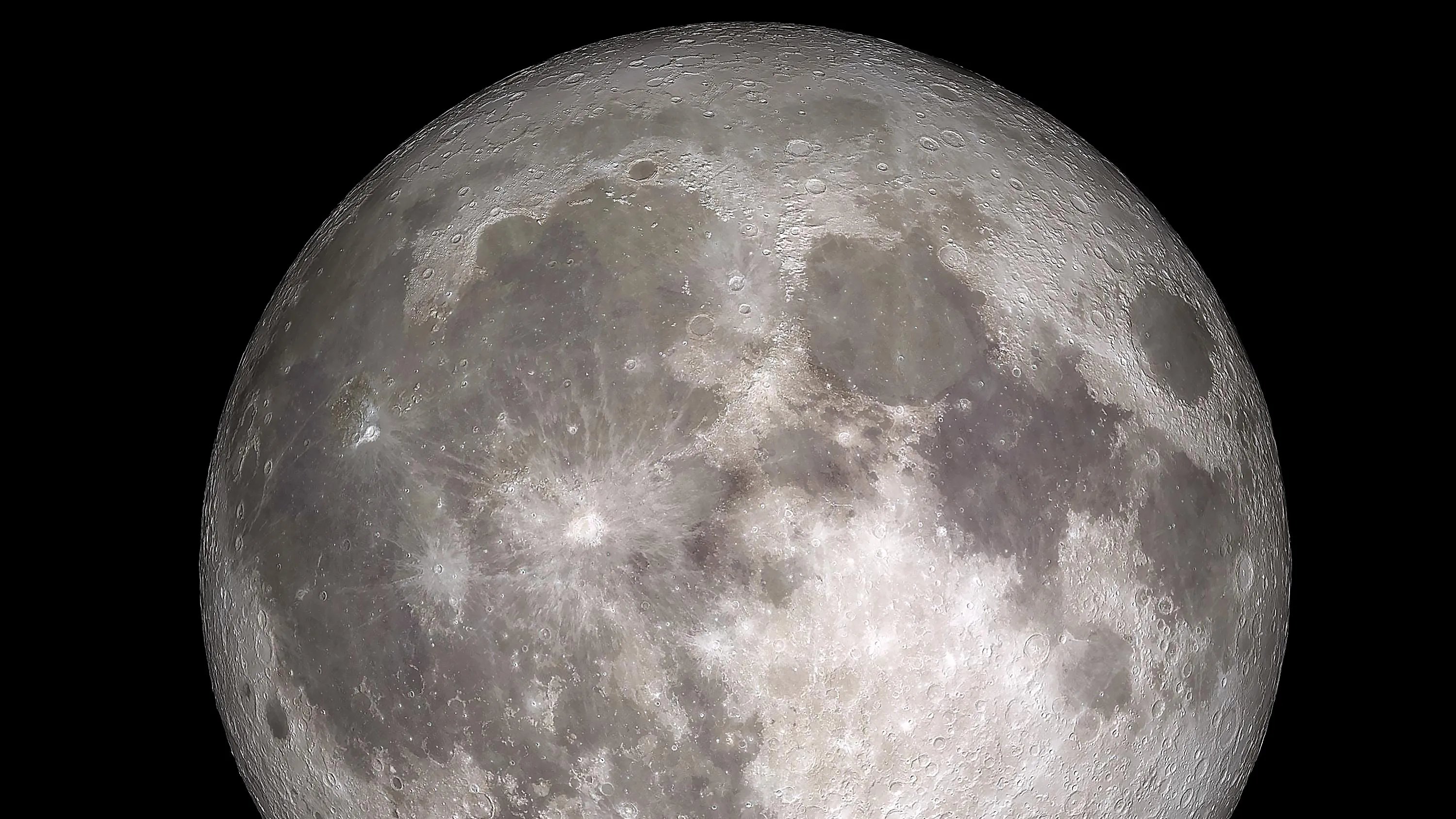
Moon: Closest space object to Earth. Has a dark side (literally). Doesn’t produce its own light, but reflects light from the sun onto Earth during the nighttime.
Planets
As of October 2023, within our Solar System, there are eight officially recognized planets in our solar system. These planets are Mercury, Venus, Earth, Mars, Jupiter, Saturn, Uranus, and Neptune.
Mercury, Venus, and Mars are significantly smaller than the other planets and have a faster orbit time too. Jupiter and Saturn are gaseous planets, with their size being astoundingly greater than all the rest. The final two, Uranus and Neptune, are not quite as large as Jupiter and Saturn, but their orbit around our sun is drastically slower.
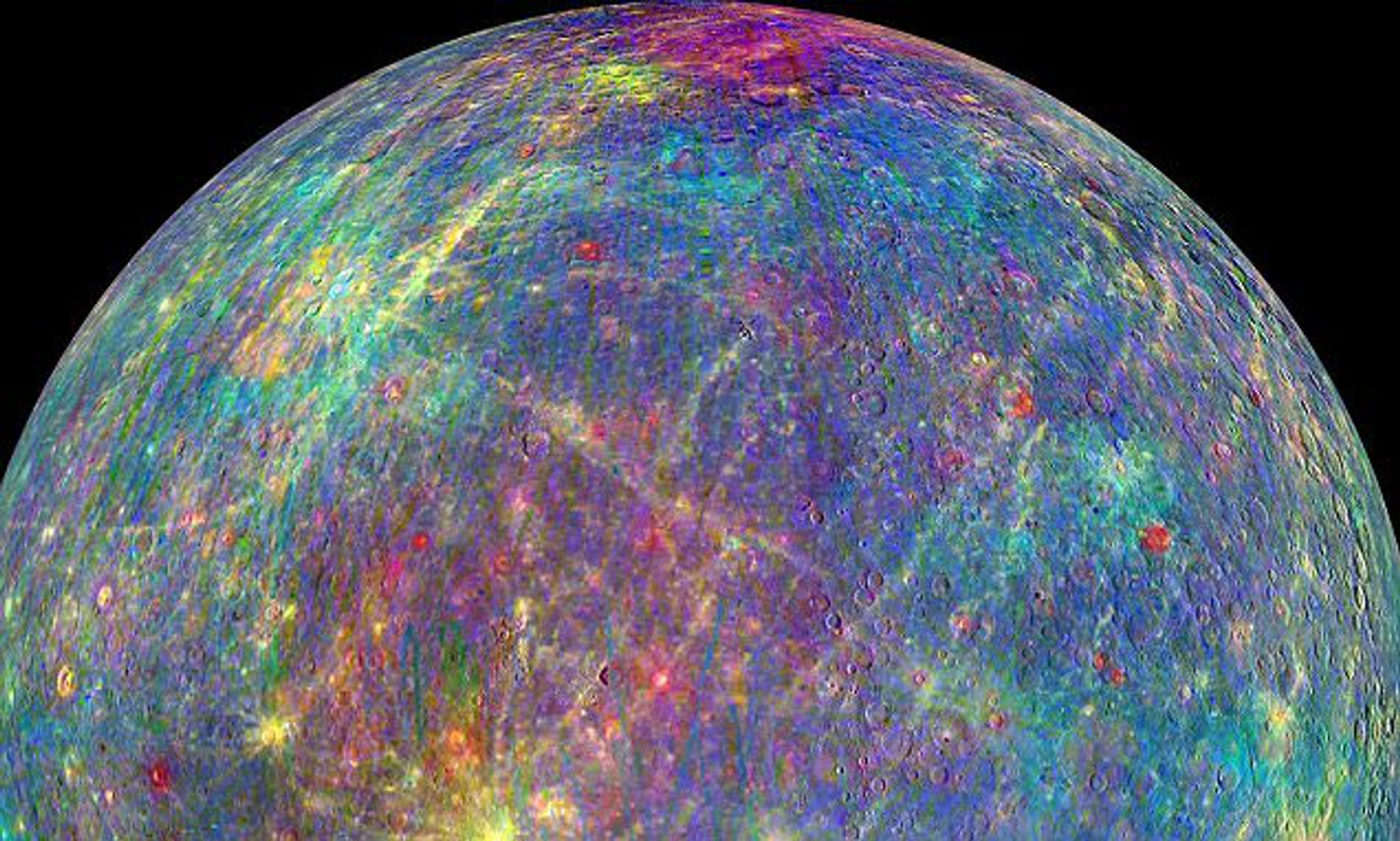
Mercury: Closest planet to the Sun. Smallest planet in our Solar System. A single day on Mercury lasts about 58-59 Earth days. It has the fastest orbit around the sun, only lasting 88 Earth days.
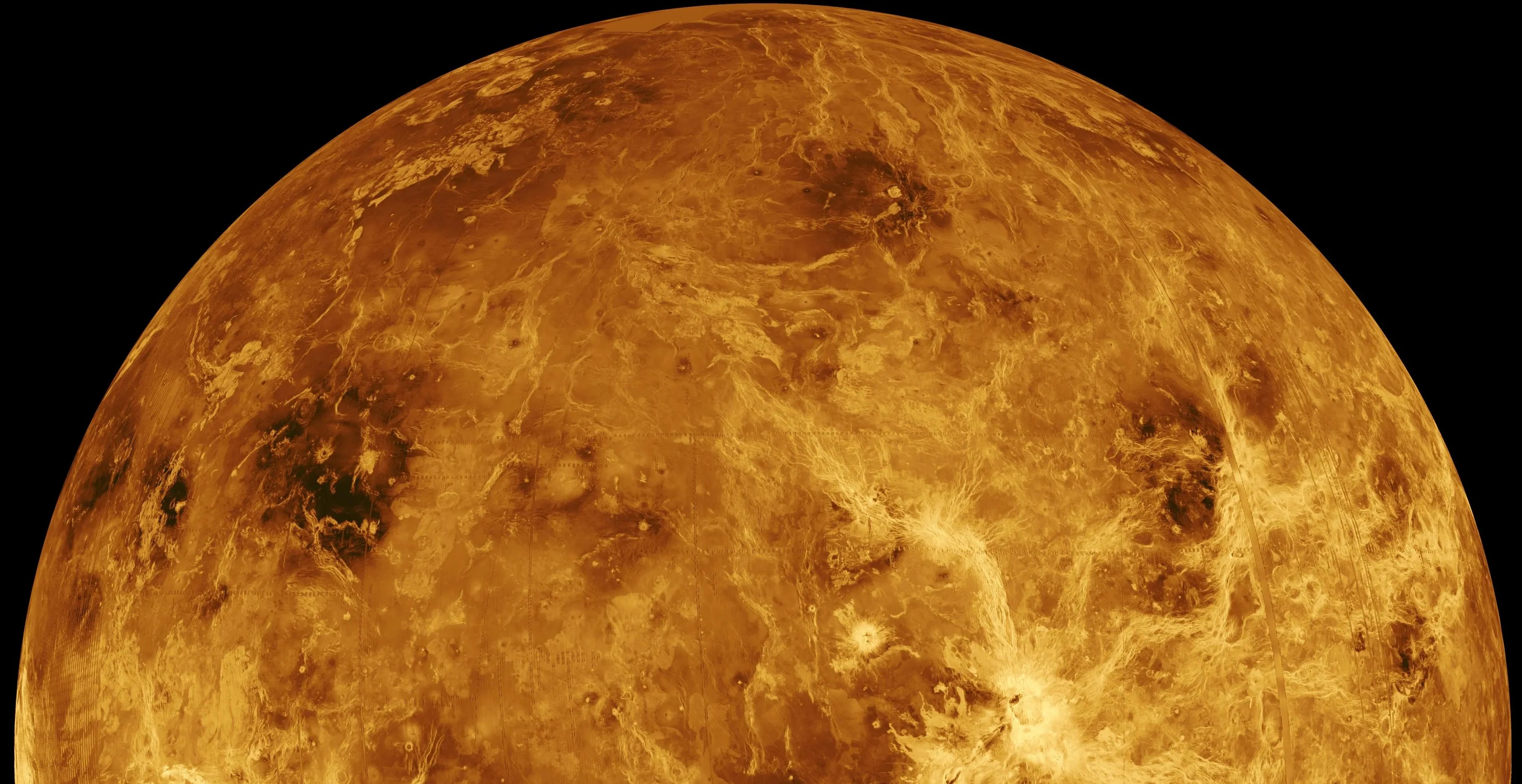
Venus: Similar size to Earth. Incredibly hot. A single day on Venus lasts 243 Earth days, while it’s year only lasts 225. It’s covered in thick, toxic clouds of sulfuric acid.
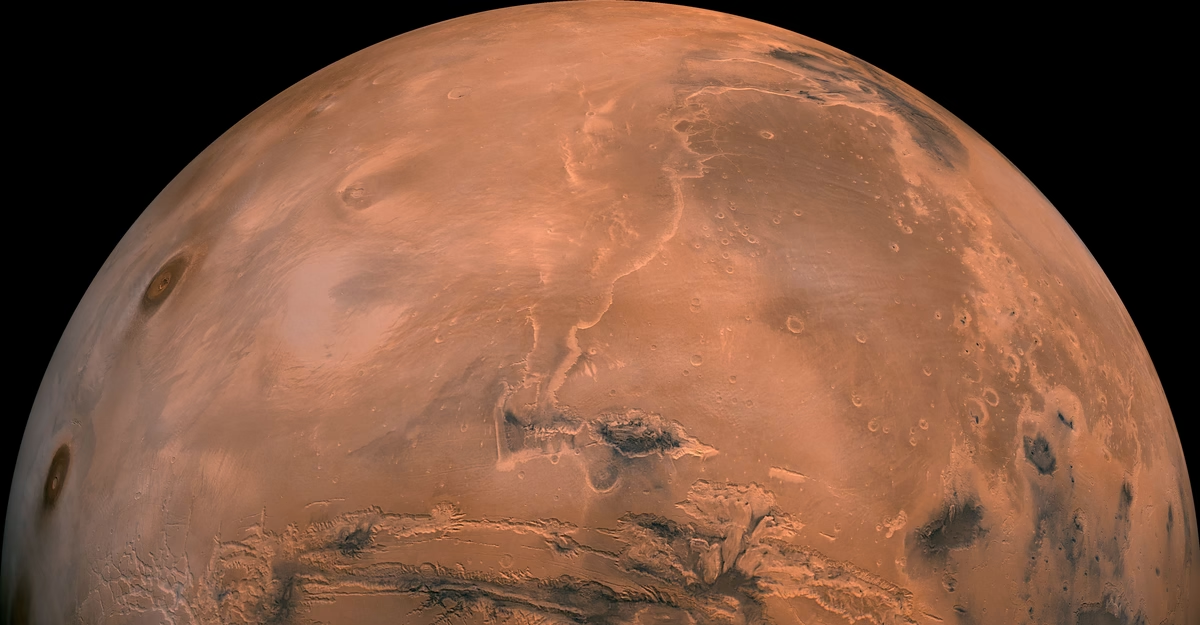
Mars: Covered in rust and known as the “Red Planet.” A day on Mars is 24 hours and 39 minutes, similar to Earth. Has volcanoes, deserts, mountains, and polar ice caps.
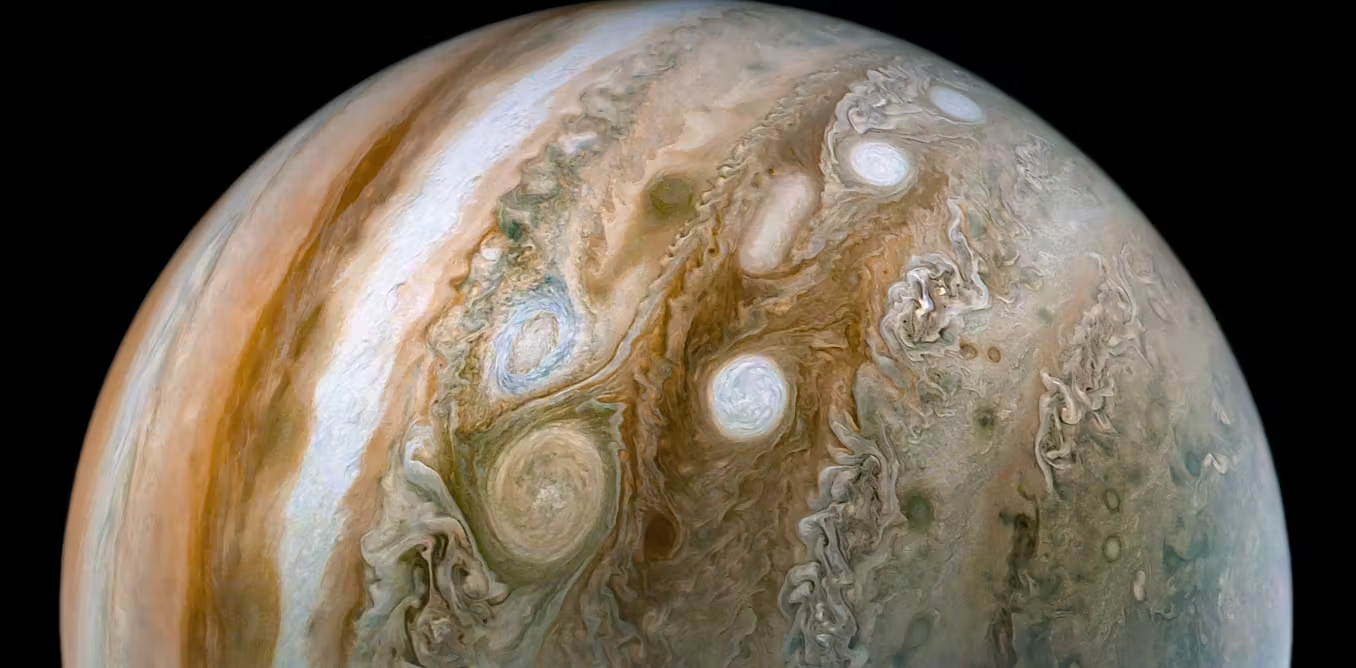
Jupiter: Largest planet in our Solar System. Gas giant. It hosts a 350-year-long, ongoing storm called, “the great red spot.” Rotates the quickest, with a 10-hour-long day.
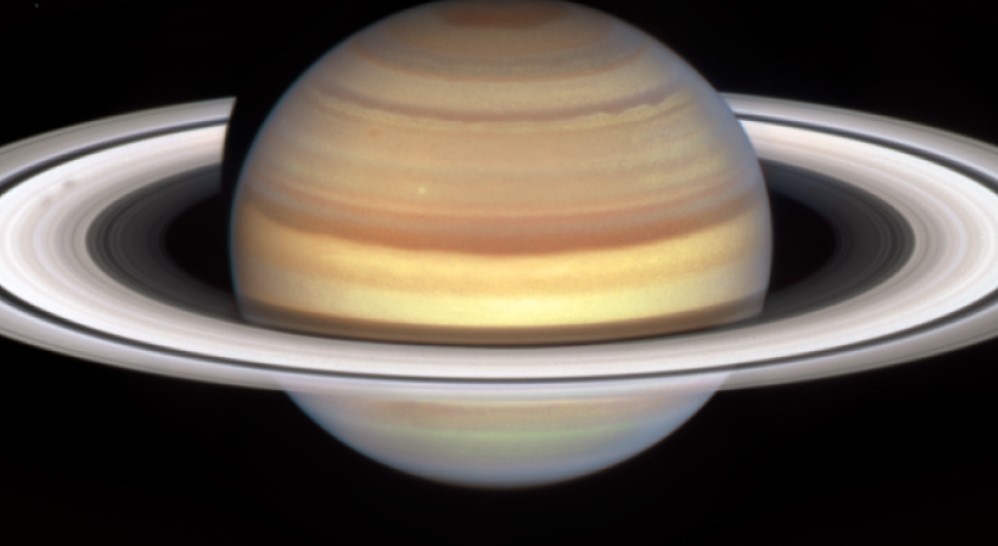
Saturn: Famous for its stunning rings made of ice and rock. Gas giant. It has 83 moons, including Titan, which is larger than the planet Mercury.
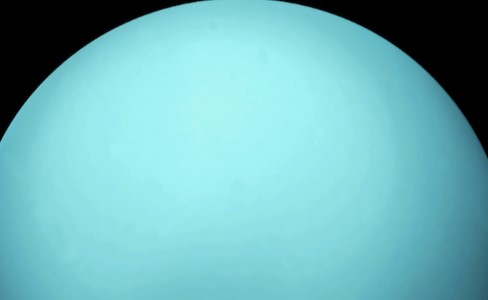
Uranus: Ice giant. It rotates on its side, causing extreme seasons. Experiences 42 years of sunlight followed by 42 years of darkness. It has 13 rings, but they’re much fainter than Saturn’s rings.
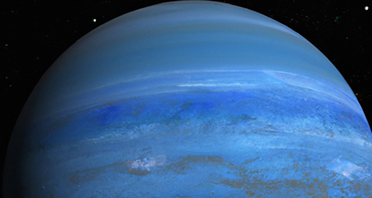
Neptune: Ice giant. Farthest planet from the Sun. It takes 165 years to complete a single Earth year. Its magnetic field is off center and tilted. Significantly made up of water.
Dwarf Planets
Pluto, once considered the ninth planet, has since been reclassified as a “dwarf planet” by the International Astronomical Union (IAU) in 2006. The reason was due to Pluto not clearing its orbit of debris. This reclassification ignited a passionate debate about what constitutes a planet.
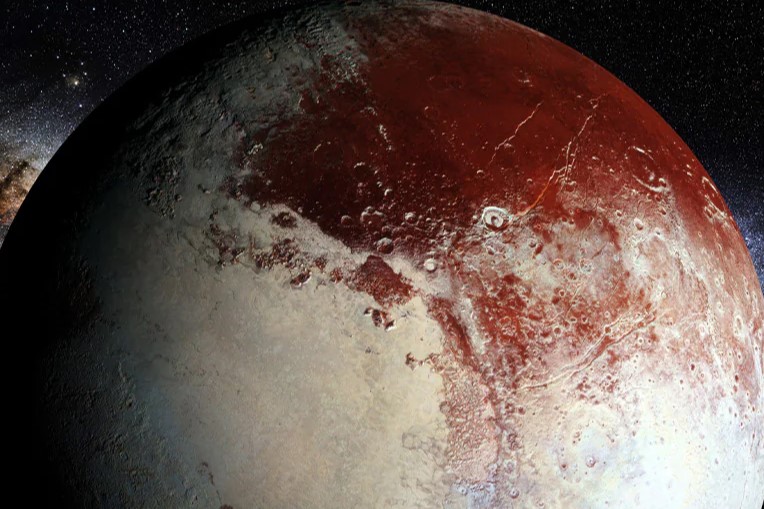
Pluto: Located in the Kuiper Belt, a hot spot for comets, with several other dwarf planets. It takes 248 years to complete one Earth year! One day on Pluto is the equivalent to an entire week on Earth! Has a highly elliptical (ovular) orbit.
Asteroids
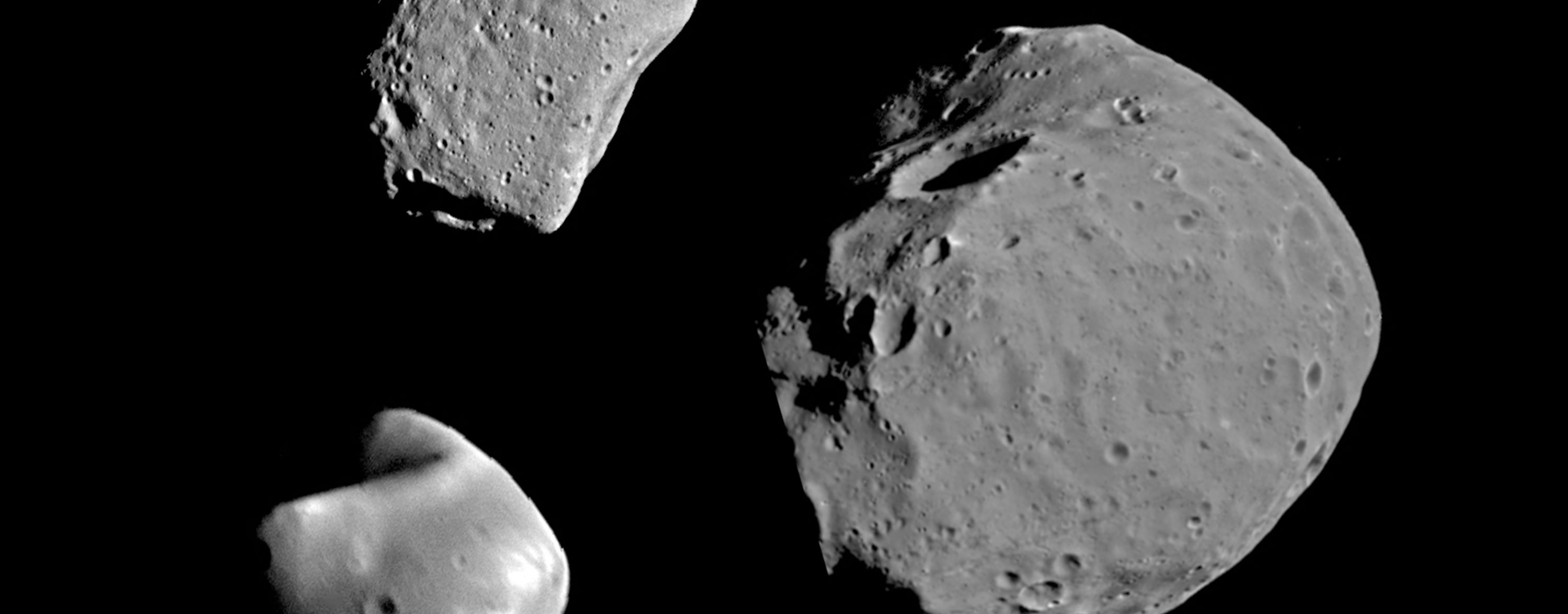
In between the planets Jupiter and Mars exists something called the Asteroid Belt. Here can be found hundreds of thousands of asteroids! An asteroid is a small and rocky space object, which is often an irregular shape.
Like planets, asteroids orbit our solar system’s sun. The most interesting thing about asteroids, however, is that they’re typically the remnants of the early formation of our solar system. With that being said, this gives scientists the opportunity to study them to learn about how our solar system formed.
References:
- NASA (National Aeronautics and Space Administration)
- The official NASA website contains a wealth of information about the solar system, missions, and more.
- URL: NASA Solar System Exploration
- European Space Agency (ESA)
- The ESA provides resources and data about the solar system and its exploration.
- URL: ESA Solar System
- National Geographic
- National Geographic offers articles and documentaries about space and solar system exploration.
- URL: National Geographic – Solar System
- Space.com
- This site offers a variety of news articles and educational content about space and the solar system.
- URL: Space.com – Solar System
- Books and Scientific Literature
- “Cosmos” by Carl Sagan provides a comprehensive overview of the universe, including the solar system.
- “The Solar System” by David A. Rothery is a great resource for detailed planetary science.
- Scientific American
- This publication often features articles about solar system research and discoveries.
- URL: Scientific American
- Textbooks on Astronomy
- Introductory astronomy textbooks such as “Astronomy: A Beginner’s Guide to the Universe” by Eric Chaisson and Steve McMillan provide detailed explanations of our solar system.
Leave a Reply
You must be logged in to post a comment.